
Dedicated Circuits & Appliance Wiring in Pittsburgh, PA
-
Overview
JJM Electric installs dedicated circuits and appliance wiring throughout Pittsburgh and the North Hills. We review the equipment requirements, existing panel, electrical capacity, wiring route, and installation location so the new circuit is correctly sized and suited to the appliance or equipment.
-
What Customers Say
“John could not have been more responsive and clear in what his plan was and what the price would be!”
— Anne S.
-
Dedicated Circuit and Appliance Wiring Services
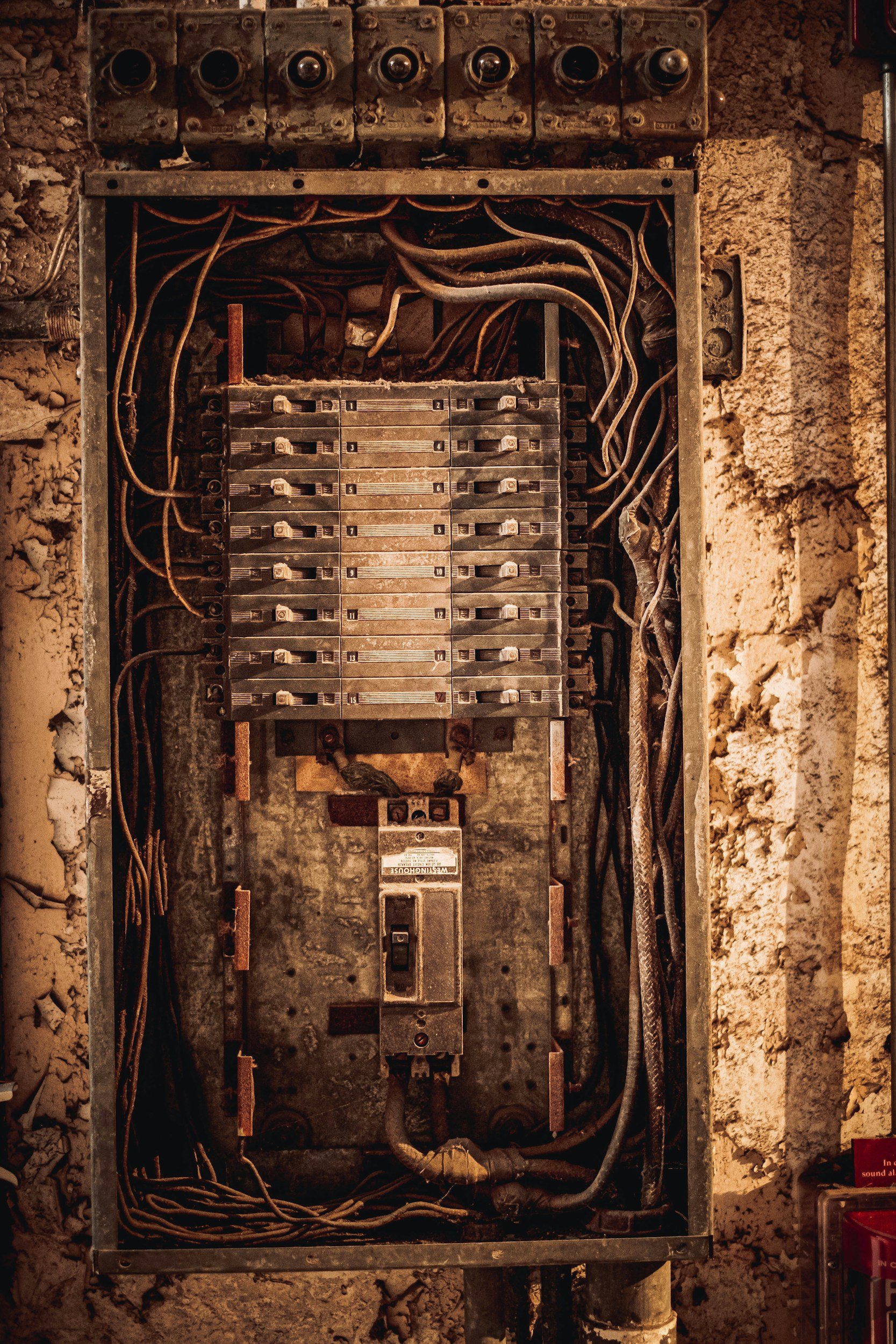
Modern appliances and equipment often require a circuit that is not shared with general lighting or receptacles. JJM Electric installs new 120-volt and 240-volt branch circuits, replaces damaged or undersized wiring, and coordinates the circuit with the panel, disconnecting means, receptacle, or hardwired connection required by the equipment.
The final design is based on the nameplate, manufacturer instructions, location, and applicable electrical requirements.
-
Dedicated Circuits May Be Installed For
• Electric ranges, ovens, and cooktops
• Clothes dryers and laundry equipment
• Dishwashers and disposals
• Microwaves and countertop appliances
• Refrigerators and freezers
• Sump pumps and sewage pumps
• HVAC and mini-split equipment
• Water heaters
• Garage and workshop equipment
• Hot tubs and outdoor equipment
• Home-office and technology equipment
• Other manufacturer-specified loads
-
When Is a Dedicated Circuit Needed?
A dedicated circuit may be required by the equipment instructions or electrical code, or recommended because the load is too large or important to share with other devices. Signs that an existing circuit may be unsuitable include repeated tripping, voltage drop, warm devices, improvised extension-cord use, an undersized circuit, or several high-demand appliances operating together.
We review the actual equipment and existing circuit before recommending new wiring.
-
Dedicated Circuits in Older Pittsburgh Homes
Older homes may have limited panel space, smaller services, ungrounded circuits, mixed wiring methods, or appliances added long after the original electrical system was installed.
We evaluate the panel, capacity, grounding, wiring route, and existing alterations. A new appliance does not automatically require a service upgrade, but the complete load and equipment condition must be considered.
-
Our Dedicated-Circuit Installation Process
A typical installation may include:
1. Reviewing the equipment nameplate and manufacturer instructions
2. Evaluating the panel, breaker space, and available capacity
3. Confirming voltage, amperage, receptacle, disconnect, and connection requirements
4. Planning the wiring route and equipment location
5. Providing a clear written estimate
6. Coordinating permits and inspections where required
7. Installing the circuit and required protection
8. Testing, labeling, and reviewing the completed installation
Concealed framing, finished surfaces, and equipment changes can affect the final route or connection method.
-
120-Volt and 240-Volt Appliance Circuits
The required voltage and circuit rating come from the equipment and installation instructions—not from the appearance of the plug alone. Some appliances require a receptacle, others are hardwired, and some need a local disconnect or specific conductor configuration.
We verify the nameplate and connection requirements so the breaker, conductors, grounding, receptacle, and disconnecting means match the equipment.
-
Panel Space and Electrical Capacity
A new circuit requires more than an open breaker position. The panel condition, service rating, calculated load, equipment compatibility, and available wiring space all matter.
If the panel is full or capacity is limited, options may include appropriate panel changes, a subpanel, load planning, or a service upgrade. We explain the practical choices without assuming broader work is always necessary.
-
GFCI, AFCI, Disconnects, and Equipment Requirements
Depending on the equipment, location, and scope, a new circuit may require GFCI protection, AFCI protection, a disconnecting means, weather-resistant equipment, in-use covers, or other safeguards. Manufacturer instructions can also impose specific circuit and connection requirements.
We account for these items when planning the installation so the complete circuit—not just the wire and breaker—is addressed.
-
Request a Dedicated-Circuit Estimate
Installing a new appliance, replacing equipment, adding workshop power, or dealing with an overloaded circuit?
Contact JJM Electric with the equipment model, nameplate photo, installation location, panel photos, and the approximate wiring distance if known. We will review the likely requirements and determine the next step for an estimate.
-
Why Choose JJM Electric?
JJM Electric LLC is an owner-operated residential electrical contractor serving Pittsburgh-area homeowners. We provide careful equipment review, clear communication, practical routing, code-conscious installation, straightforward recommendations, respect for your home, and permit and inspection coordination where required.
Our goal is a properly sized, clearly labeled circuit that safely supports the intended equipment.
-
Dedicated Circuits Throughout Pittsburgh and the North Hills
JJM Electric installs dedicated circuits and appliance wiring throughout Pittsburgh and the North Hills, including West View, Ross Township, McCandless, Wexford, Franklin Park, Hampton, Fox Chapel, and surrounding communities.
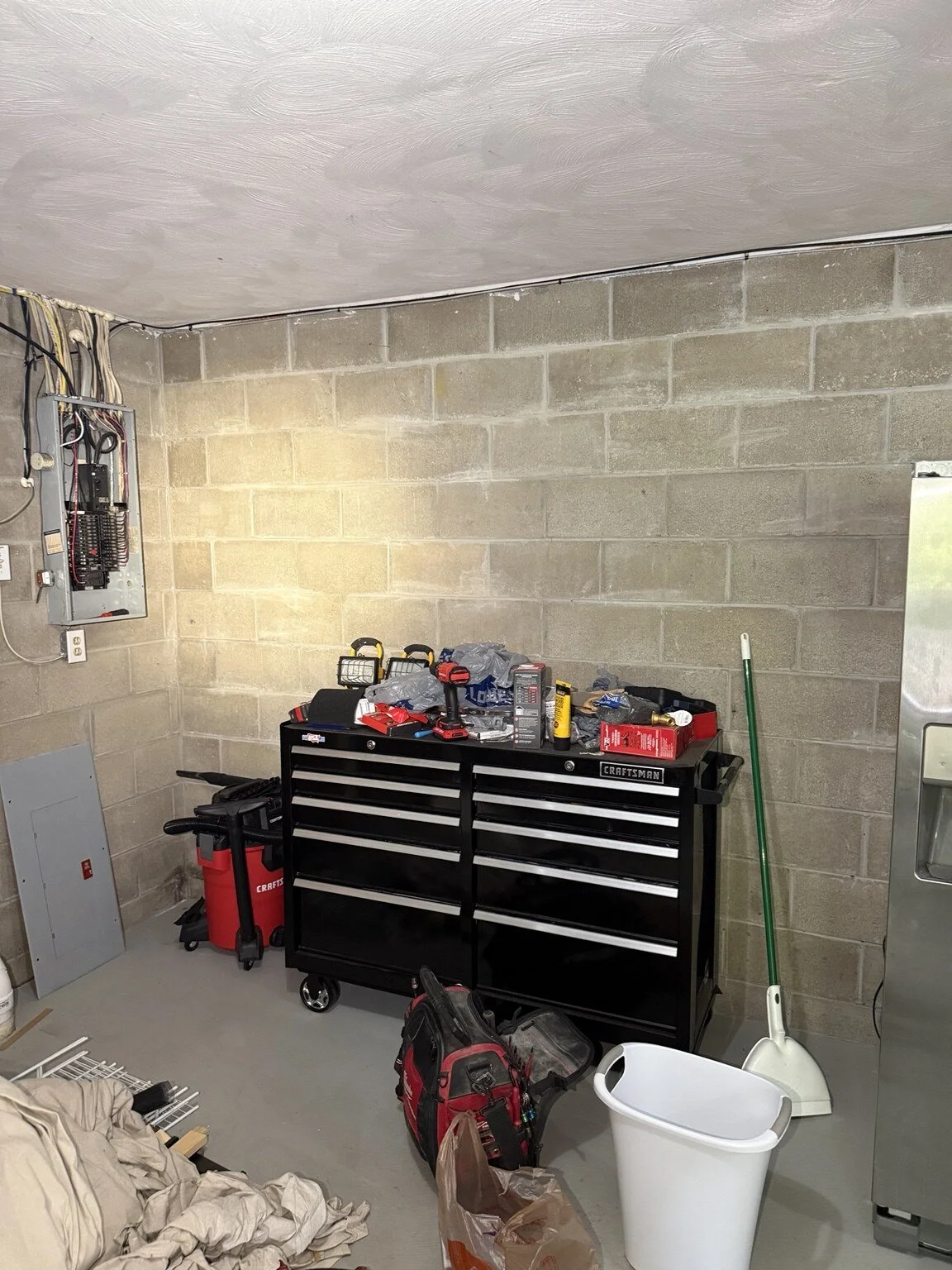
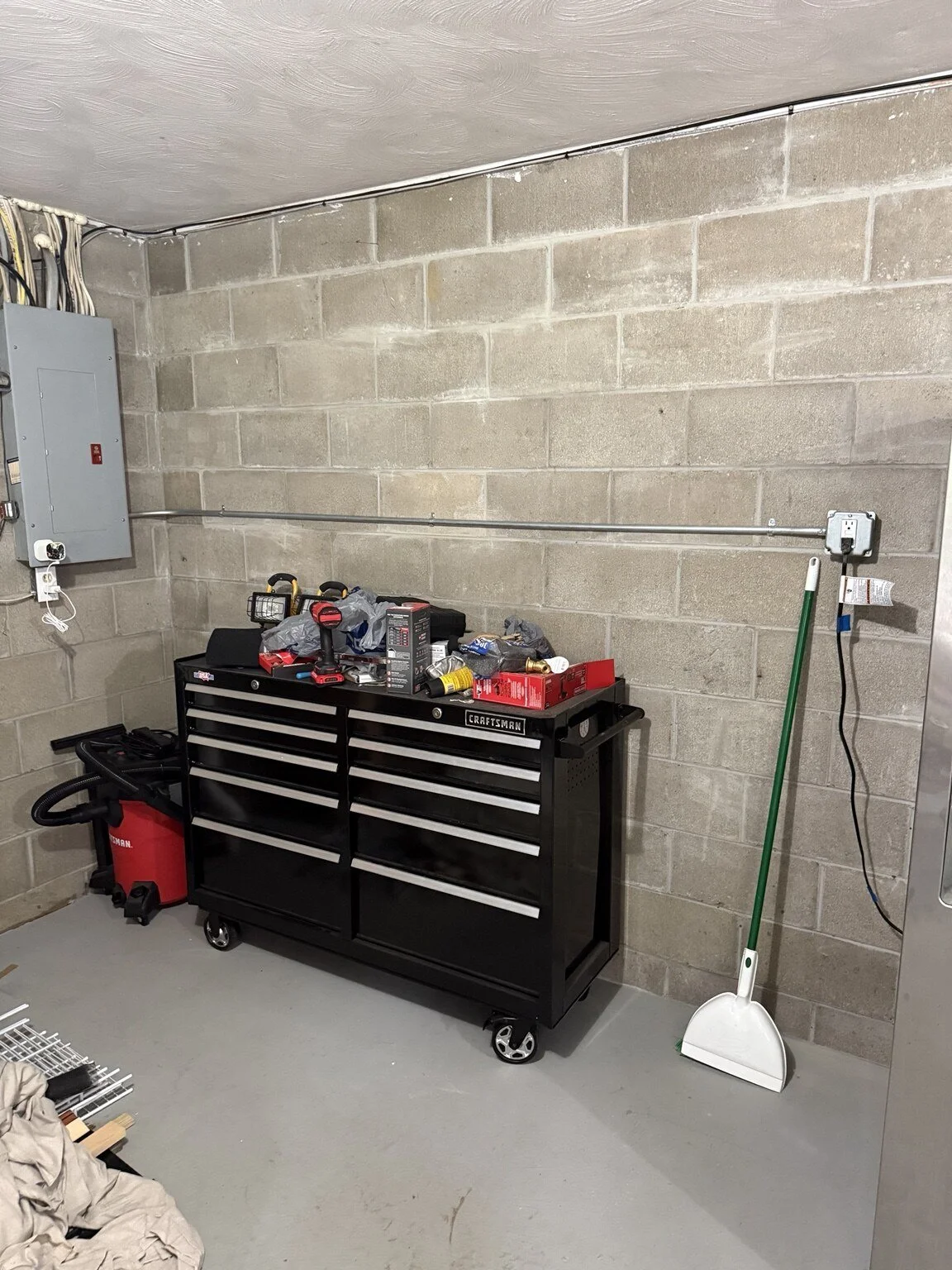
Real Project: New Garage GFCI Circuit
This garage needed accessible power along the work area. JJM Electric ran a new GFCI-protected circuit from the panel in surface-mounted metal conduit and added three receptacle locations along the concrete-block wall.
The conduit keeps the wiring protected and gives the finished installation a clean, durable layout.
Dedicated Circuit and Appliance Wiring FAQs
-
Many large or fixed appliances require an individual branch circuit under the electrical code or manufacturer instructions. Examples commonly include ranges, dryers, dishwashers, disposals, microwaves, pumps, HVAC equipment, water heaters, and workshop equipment. The exact requirement comes from the specific equipment and installation.
-
Possibly, but only if the existing circuit, voltage, amperage, grounding, protection, receptacle, and other connected loads meet the equipment requirements. We verify the circuit rather than assuming an outlet is suitable because the plug fits.
-
They supply different voltages and may use different conductor, breaker, receptacle, and connection arrangements. The appliance nameplate and instructions determine what is required. A 240-volt receptacle is not interchangeable simply because another plug appears similar.
-
Not necessarily. We review breaker space, equipment compatibility, panel condition, service rating, and calculated load. Some installations fit the existing system; others may require panel changes, a subpanel, load planning, or a service upgrade. We explain the options after evaluating the actual equipment and system.
-
Yes, if the exact model and complete electrical requirements are confirmed. A specification sheet or nameplate information is important because similar appliances can require different circuits, receptacles, disconnects, or connection methods. Final connection may need to wait until the equipment is present.
-
Requirements depend on the municipality and project scope, but new branch-circuit work commonly requires a permit and electrical inspection. JJM Electric identifies the likely requirements and coordinates the process where required.
-
Send the equipment model and nameplate or specification sheet, photos of the panel and breaker labels, the planned equipment location, the approximate distance between them, and photos of any finished areas the route may cross. This helps identify the likely circuit and access requirements.